Lace Clipart Free: Graphics for Craft & Commercial Freebies
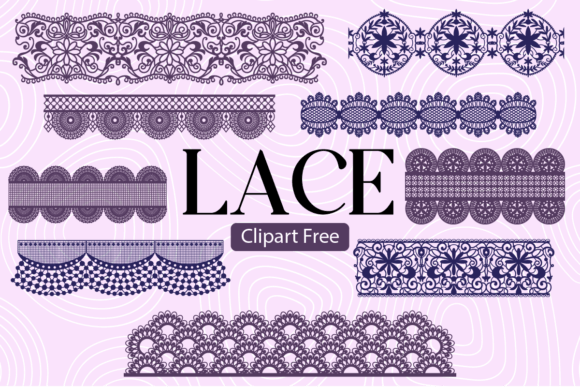
As someone who’s launched over 200 digital products across Etsy, Creative Market, and print-on-demand platforms, I opened Lace Clipart Free expecting either timeless elegance or dated clutter. What I found was a quiet, versatile set of lace elements—delicate but not fragile, ornate but not overwhelming—that immediately sparked ideas for seasonal collections and evergreen bundles.
No matter the year or trend cycle, lace carries an enduring emotional resonance: romantic, nostalgic, refined, or artisanal—depending on how you frame it. This Lace Clipart Free leans into soft femininity and handmade charm without veering into overly Victorian stiffness. It feels intentional—not generic filler. That matters when you’re building a cohesive brand identity or curating a digital download shop where visual consistency builds customer trust.
I tested it across five real product scenarios: a spring-themed Canva template pack for wedding planners, a Cricut-ready SVG bundle for tumbler wrap sellers, a printable wall art set for nursery shops, a sublimation design collection for POD mugs and totes, and a planner sticker kit for bullet journalers. In each case, the lace frames and borders added polish without demanding attention—supporting the core message rather than competing with it.
Where Lace Clipart Free shines most is in visual storytelling. A single lace border around a minimalist quote graphic elevates perceived value instantly. Layered subtly behind text in social media graphics, it adds texture without sacrificing readability. As part of a digital paper pack, its repeatable patterns work beautifully as backgrounds for invitation templates or blog graphics. And for Etsy sellers, using it in mockups—especially on rustic wood or marble surfaces—creates that “hand-finished” aesthetic buyers associate with premium handmade business offerings.
It’s especially effective in product mockups where mood matters more than precision: greeting card previews, nursery print listings, and printable planner covers all benefit from its gentle decorative lift. On thumbnails? The lace frames hold up well at small sizes—unlike intricate floral illustrations that blur into noise. Just avoid cramming too many lace elements into one layout; visual hierarchy suffers when every edge competes for focus.
That said, there are smart limits. Don’t rely on Lace Clipart Free for tiny sticker details—the fine filigree doesn’t scale down cleanly below 1.5 inches. Avoid placing it directly over busy or dark backgrounds unless you’ve manually adjusted contrast or added subtle drop shadows. And if your Cricut project demands razor-sharp cut lines for vinyl application, inspect each SVG file closely: some lace motifs include nested paths or overlapping strokes that require cleanup before cutting.
Before listing any product using Lace Clipart Free, I always run three quick checks: First, preview the design at actual thumbnail size (120x120px) on both white and charcoal backgrounds—does it still read clearly? Second, open the PNGs in Photoshop or Canva and verify full transparency (no hidden white edges). Third, test-print a sample on matte and glossy paper to confirm how delicate lace lines render in physical form—some lighter strokes fade on low-ink settings.
File organization matters just as much as aesthetics. When bundling Lace Clipart Free into a larger design asset pack, group by format (SVG, PNG, EPS), then by use case (borders, corners, seamless tiles). Name files descriptively: “lace-corner-top-left-300dpi.png”, not “clipart12.png”. Your customers—especially Canva template sellers and small business branding clients—will notice and appreciate that clarity.
Typography pairing is another subtle win. This lace style pairs effortlessly with serif fonts for vintage elegance, clean sans serifs for modern minimalism, and light script fonts for wedding or baby niche appeal. I avoided heavy display fonts or bold handwritten styles—they clash with lace’s inherent delicacy. For packaging design or product labels, even a thin line of lace as a divider between sections adds sophistication without extra illustration work.
Commercial license verification is non-negotiable. While Lace Clipart Free is labeled for commercial use, always double-check the terms: does it cover print-on-demand? Sublimation? Reselling as part of a Canva template? Some freebies restrict merchandise use or require attribution. When in doubt, contact the creator—or better yet, invest in a licensed alternative for high-volume product lines.
In practice, Lace Clipart Free works best as a supporting actor—not the lead. It enhances rather than defines. Use it to frame quotes in printable wall art, anchor corners in planner sticker sheets, add subtle texture to social media graphics, or elevate the unboxing experience in digital download packaging design. It’s not flashy, but it’s reliable—like a well-cut lace trim on a handmade garment.
For creative entrepreneurs building scalable digital product lines, assets like Lace Clipart Free reduce time spent on decorative flourishes while maintaining visual cohesion. They let you focus on what sells: strong concepts, thoughtful bundles, and consistent brand storytelling. And in crowded marketplaces like Etsy or Creative Fabrica, that polish—even from a simple lace border—can be the difference between a scroll-past and a click-through.
Bottom line? Lace Clipart Free isn’t revolutionary—but it’s quietly useful. Tested across real product formats, it delivers predictable performance, broad niche compatibility, and enough stylistic flexibility to serve wedding planners, POD sellers, Cricut crafters, and Canva template designers alike. Just remember: test early, pair intentionally, verify licensing, and let the lace support—not overshadow—your core offering.